

How to Apply for a Driver License in Arizona

How to Apply for a Driver License in Arizona

First, gather all required documents, including proof of identity, residency, and social security number. Acceptable forms of ID include a birth certificate or passport, and you’ll need two documents that confirm your home address, such as a utility bill or lease agreement.

Next, prepare for the written examination. Familiarize yourself with the Arizona Driver’s Manual, which outlines the rules of the road and safe driving practices. It’s advisable to take practice tests available online to assess your knowledge before the actual test.

After passing the written portion, schedule an appointment for the behind-the-wheel assessment. Choose an official testing location, and bring both your vehicle and the appropriate documentation. Ensure your vehicle meets the safety requirements to avoid delays.

Finally, pay the applicable fees during your visit to the motor vehicle department. Retain the receipt, as it serves as confirmation of payment and may be necessary for future reference. Once all steps are completed, your credentials will be mailed to you within a few weeks.

Understanding the Requirements for a Driver License Application

Understanding the Requirements for a Driver License Application

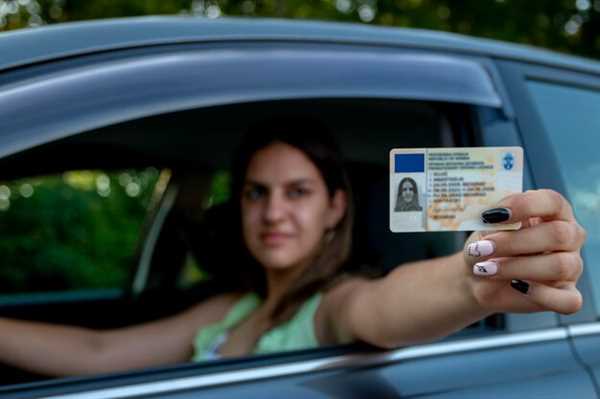
To secure a permit to operate a motor vehicle, begin with establishing your identity. Valid forms of identification include a U.S. passport, birth certificate, or state-issued ID. Ensure these documents are current and accurately represent your name.

Proof of residency within the state is critical. Utility bills, bank statements, or lease agreements can demonstrate your address. Maintain consistency in the information across all documents.

Prepare to document your Social Security number. A Social Security card or a tax return displaying this number will suffice. Verify that your details match those on your identification.

Certain age restrictions apply; individuals must be at least 16 years old to apply for a full driving credential. Those under 18 will require parental consent and may need to complete a driver education course.

Applicants must also submit to vision testing to ensure adequate visual capabilities for safe driving. This assessment is typically performed on-site during the application process.

Payment for application fees is necessary; fees vary based on age and the type of document sought. Prepare to pay either by cash, check, or card.

Collect and submit all required paperwork, and be prepared for potential follow-up actions such as a written test or behind-the-wheel evaluation, depending on specific circumstances. Stay informed about the latest requirements, as regulations can change.

Step-by-Step Process for Submitting Your Application

Step-by-Step Process for Submitting Your Application

Gather necessary documents such as proof of identity, residency, and social security number. Acceptable forms include a passport, utility bill, or a bank statement.

Complete the application form available online or at your nearest service center. Ensure all fields are filled accurately to avoid delays.

Schedule an appointment online for in-person submission, or check for walk-in availability. Arriving at the scheduled time helps reduce wait times.

Prepare for the vision test, which is mandatory at the time of application. Bring corrective lenses if needed.

Submit your application along with all required documents at the designated location. Pay applicable fees, keeping the receipt for your records.

Receive your temporary permit immediately if applicable. Your official credentials will arrive by mail within a few weeks.

Common Mistakes to Avoid When Applying for Your Driver License

Ensure all required documents are in order before submitting your application. Missing paperwork can lead to delays or outright rejection.

Double-check the accuracy of all information provided. Simple typing errors in your name or address can cause significant setbacks in processing.

Do not assume that you can take the test without proper preparation. Familiarize yourself with the rules of the road and practice driving skills to avoid failure.

Neglecting to verify payment methods can delay processing. Confirm which forms of payment are accepted to avoid complications.

Consider scheduling an appointment rather than going during peak hours to minimize waiting time.

Be mindful of residency requirements. Ensure you have the proper documents proving your residence.

Don’t forget to review the vision screening requirements. Underestimating this step can result in needing to retake the test.

If you have previous violations or issues, address these before applying. Ignoring them can complicate the process.

Stay informed regarding current fees associated with obtaining your credential. Changes can occur without notice, affecting your budget.

Maintain a calm demeanor during the process. Stress can lead to oversight and mistakes.
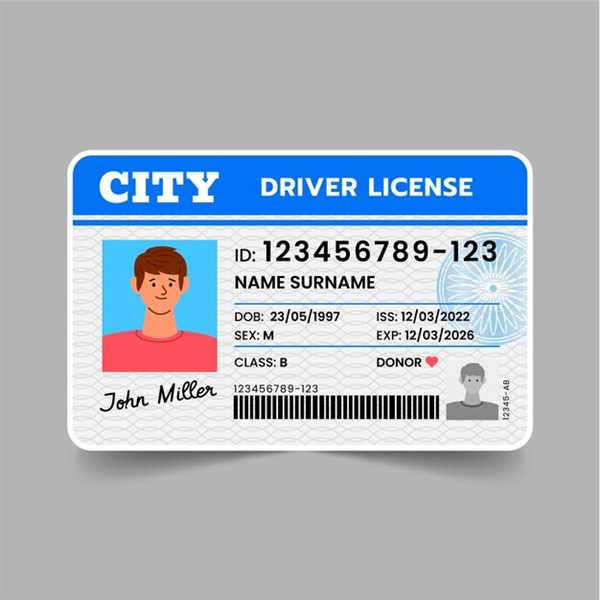
Documents Needed to Get an Arizona Driver License

Documents Needed to Get an Arizona Driver License

To obtain a driver credential in Arizona, first ensure you have proof of identity, such as a government-issued photo ID or a birth certificate. Documents must be current and legible to avoid any delays in processing your request.

Next, establish residency by providing utility bills, rental agreements, or bank statements that clearly display your name and address. This information is vital for verifying your connection to the state.

Additionally, prepare any necessary documentation related to your Social Security number, such as your Social Security card or a recent pay stub that includes the number. This step is critical for confirming your eligibility.

Lastly, make sure to bring any prior driving records if you hold credentials from another state. This will facilitate the transition and ensure that all information is accurately represented in your new file.

Proof of Identity and Legal Presence

To successfully obtain a state-issued identification credential, you must present a combination of evidence affirming both your identity and your lawful status in the United States. Primary identification can include a valid U.S. passport or a birth certificate alongside a government-issued photo identification.

When submitting a birth certificate, ensure it is the official document marked with a raised seal. If you are not a native-born citizen, immigration documents, such as a Permanent Resident Card or a valid employment authorization, must also be shown to validate your legal presence.

It’s advisable to bring photocopies of these items, as original documents will often be reviewed and returned. Additionally, always check for the most current guidelines, as requirements can shift based on state regulations and policies.

Prepare these items ahead of your visit: a government-issued photo ID, original documents proving birth and legal status, and any supplementary paperwork that might further verify your identity or change of name, if applicable.

Make sure to verify any specific requests pertaining to residency status, as additional documents may be needed if you are not a long-term resident. Confirming this information in advance can streamline the process.

Residency Verification Documents

Residency Verification Documents

Provide two forms of proof showing your physical address. Acceptable items include utility bills issued within the last 12 months, bank statements, or rental agreements. Ensure that your name and address are clearly visible on these papers.

A lease agreement signed by both parties is valid if it contains the necessary details. If using a utility bill, it must reflect services at your current residence and be dated no earlier than one year ago.

Documents from governmental agencies can serve as valid evidence if they include your name and address. Voter registration cards also qualify, provided they are up to date and list your current residence.

If you cannot gather two separate forms, combine one acceptable item with another that includes your name or address, such as a paycheck stub. Always carry original paperwork, as copies will not meet requirements.

Social Security Number Documentation

Social Security Number Documentation

To obtain a driving permit, applicants must provide proof of their Social Security number. Acceptable forms include a Social Security card, a W-2 form, or a pay stub displaying the full number. Ensure that any document you submit clearly presents your name and Social Security number without obfuscation.

If you are not currently in possession of a Social Security card, you can obtain a replacement through the Social Security Administration’s official website or local office. Be prepared to provide identification for verification purposes.

For non-citizens, providing a work authorization card, visa, or another official confirmation of your Social Security status may be required. Always verify with local authorities to confirm specific stipulations to avoid delays in the process.

Double-check that all documentation is not expired and that your name matches other identification used in the application. Consistency is vital to streamline the approval process.

Unveiling the World of Salvage Dodges: Affordable Excellence on Four Wheels

Salvage Dodges encompass a diverse array of models, ranging from the rugged Ram trucks to the sporty Challenger and Charger. Despite their salvage status, these vehicles retain much of what makes the Dodge brand distinctive – bold styling, robust performance, and cutting-edge technology. Whether you’re in the market for a dependable daily driver or a project car for customization, salvage Dodges present an enticing proposition.

Benefits of Salvage Dodges: One of the primary advantages of opting for a salvage Dodge is the significant cost savings it offers. By purchasing a salvage vehicle, buyers can often acquire a Dodge model that would otherwise be out of their budget range. Additionally, salvage Dodges provide an opportunity for hands-on enthusiasts to engage in restoration projects, breathing new life into these vehicles and making them uniquely their own.

Considerations When Buying Salvage Dodges: While salvage Dodges offer undeniable benefits, there are important considerations to keep in mind before making a purchase. First and foremost is the vehicle’s salvage title, which indicates that it has been declared a total loss by an insurance company due to damage, theft, or other factors. Buyers should thoroughly inspect the vehicle’s condition and history to assess the extent of the damage and ensure that repairs are feasible.

Restoring Salvage Dodges: For those with a passion for automotive restoration, salvage Dodges present an exciting opportunity to unleash their creativity and craftsmanship. Whether it’s repairing body damage, upgrading performance components, or customizing the interior, restoring a salvage Dodge allows enthusiasts to tailor the vehicle to their preferences while learning valuable skills along the way. With dedication and attention to detail, salvage Dodges can be transformed into stunning works of automotive art.

Finding Salvage Dodges: Locating salvage Dodges for sale requires diligence and research, but the effort can yield rewarding results. Auctions, salvage yards, and online marketplaces are common avenues for finding salvage vehicles, with a variety of models and conditions available. Buyers should exercise caution and thoroughly evaluate each prospective purchase to ensure they’re getting the best value for their investment.

Conclusion: In the realm of automotive enthusiasts, salvage Dodges represent an intriguing blend of affordability, potential, and passion. While they may bear the scars of their past, salvage Dodges offer a unique opportunity to own and restore a piece of automotive history. Whether you’re drawn to the raw power of a Dodge Challenger or the rugged versatility of a Ram truck, salvage Dodges invite you to embark on a journey of exploration, restoration, and ultimate satisfaction on four wheels.

How to Schedule Your Arizona Road Test

How to Schedule Your Arizona Road Test

To optimize the process of booking a driving assessment in Arizona, leverage the state’s official DMV website, where appointments can be secured online in a few straightforward steps. Begin by navigating to the scheduling section and selecting your preferred location. Availability fluctuates, so consider checking during off-peak hours for a better chance at an earlier slot.

Confirm the specific requirements before your appointment. Documentation is critical; ensure you have your learner’s permit, identification, and proof of residency ready. Taking these documents with you not only smooths the process but also prevents unnecessary delays.

Practice is paramount. Familiarize yourself with the local roads and traffic regulations. Resources such as instructional videos and tutorials can provide insights into common maneuvers evaluated during the assessment. Investing time in practice increases confidence and performance on the day of the evaluation.

Step-by-Step Guide to Booking Your Road Test in Arizona

Visit the official website of the Arizona Department of Transportation (ADOT) to access the appointment system. Navigate to the section specifically for road assessments to initiate the booking process.

Prepare the required documentation before proceeding. Make sure you have your learner’s permit, proof of identity, and any other necessary paperwork ready to upload or present when booking.

Select a location for your evaluation. Choose from various offices across the state, ensuring it’s convenient for you. Each site may have different availability, so check multiple locations if needed.

Review available dates and times. The scheduling system will display open slots. Pick a date that works with your schedule, keeping in mind potential wait times for later dates.

Complete the application form with accurate details. Fill in personal information, including your name, address, and contact number, and confirm the chosen time.

Pay the applicable fee online. Most locations accept credit or debit cards, while some may allow payment in person on the day of the appointment.

Confirm your booking after payment. Check your email for a confirmation message. This will include the time, date, and location of your appointment, along with any additional instructions you need to follow.

Prepare for the evaluation by practicing driving skills. Familiarize yourself with the rules of the road and the specifics of the assessment to ensure readiness.

Arrive early on the day of your appointment. Bring all required documents and ensure your vehicle is in good condition for the verification.

Understanding the Requirements and Documentation for Your Road Test

Understanding the Requirements and Documentation for Your Road Test

Preparation is key for a successful evaluation of driving capabilities. Begin by ensuring you possess a valid instruction permit that reflects your eligibility. This document should be current and free from outstanding restrictions.

You’ll need to provide proof of your identity and residency. Acceptable items include a birth certificate, passport, or a government-issued identification card, alongside a recent utility bill or lease agreement displaying your name and address.

An important aspect is the completion of a driver education program, if applicable, particularly for individuals under a specified age. Ensure that any necessary completion certificates are on hand.

Before the assessment, it is advisable to check that your vehicle meets safety standards. This includes functioning lights, brakes, and seat belts. A valid registration and insurance card must also be presented at the time of evaluation.

Finally, don’t overlook the payment of any applicable fees. It’s best to verify the specific amount required beforehand to avoid any delays.

Tips for Preparing for Your Arizona Road Test and What to Expect

Tips for Preparing for Your Arizona Road Test and What to Expect

Practice driving in various environments, including highways and residential areas, to build familiarity with different scenarios that may arise during the evaluation.

Review the state’s driver handbook. Ensure you understand traffic signs, laws, and safe driving practices required for successful passage.

Take a mock evaluation with an experienced driver who can provide constructive feedback on your performance and areas needing improvement.

Prepare necessary documents ahead of time, including identification, proof of residency, and any completed forms, to avoid delays on the day of the assessment.

Arrive at the testing location early to reduce anxiety and allow time for any unforeseen circumstances. This also gives you a chance to observe other evaluations.

During the examination, remain calm and composed. Follow the evaluator’s instructions carefully and demonstrate confidence in your driving abilities.

Be aware of your surroundings, check mirrors frequently, and maintain a safe following distance. These actions reflect your attentiveness on the road.

Expect some common maneuvers to be part of the evaluation, such as parallel parking, lane changes, and complete stops at intersections. Practicing these skills will increase your comfort level.

After the evaluation, seek feedback from the examiner to understand your strengths and areas requiring further focus, regardless of the outcome.

Common Mistakes to Avoid When Applying for a Driver License

Common Mistakes to Avoid When Applying for a Driver License

Ensure your paperwork is thoroughly completed. Missing information or unanswered questions can lead to unnecessary delays. Double-check every section to confirm accuracy and completeness before submission.

Keep an eye on the required documents needed for the process. Different regions may have varying guidelines regarding identification, proof of residency, and other relevant papers. Familiarize yourself with local requirements to prevent any setbacks.

Be mindful of your eligibility. Certain conditions, such as outstanding traffic violations or legal issues, might affect your approval. Review your driving history to address any possible complications ahead of time.

Track your application status regularly. Once submitted, monitor any communication from the licensing authority. Respond promptly to requests for additional information to ensure a swift process.

Stay informed about the testing components involved. Understand the distinctions between written, vision, and practical evaluations. Preparing thoroughly for each part enhances your chances of success without complications.

Lack of Preparation for the Written Test

Thorough study of the driver’s handbook is paramount. Familiarize yourself with traffic laws, signs, and safe driving practices presented in the manual. Create a study plan to cover all topics systematically over a defined period.

Utilize practice tests available online or through local DMV resources. These simulations mirror real exam conditions, helping to build confidence and identify areas needing focus.

Join a study group or partner with someone preparing for the same evaluation. Discussing questions and concepts can enhance retention and understanding.

Don’t underestimate the importance of consistent review. Short, frequent sessions tend to reinforce information better than last-minute cramming.

Be aware of common types of questions, such as those related to right-of-way rules or safe following distances, and ensure you can answer them accurately.

Lastly, spare some time to rest before the day of the test. A clear mind at the moment of assessment aids recall and decision-making under pressure.

Neglecting Required Documents and Fees

Neglecting Required Documents and Fees

Ensure you collect and submit all necessary paperwork before submitting your application. Typically, this includes proof of identity, residence, and potentially a social security number. Check specific requirements based on your state’s regulations, as they can vary significantly.

Fees associated with the issuance of a permit often change, so confirm the current amount to avoid surprises. Payment methods also differ; know whether you can use cash, credit, or debit. Missing or incorrect documents will delay processing, leading to rescheduling your appointment and extended wait times.

Review your application thoroughly. Omissions or inaccuracies can lead to immediate rejection. It’s wise to double-check your information, ensuring everything is complete and up to date. Keeping a checklist of required items can streamline the process and minimize errors.

Failing to Practice for the Behind-the-Wheel Assessment

Failing to Practice for the Behind-the-Wheel Assessment

Schedule multiple practice sessions on varied routes, including residential areas, highways, and busy intersections. This exposure builds confidence and familiarity with different driving situations. Allocate at least 20 to 30 hours of real-world driving with a qualified instructor or experienced driver, focusing on key skills like parallel parking, lane changes, and emergency maneuvers.

Review and comply with any relevant traffic laws and vehicle handling techniques. Prepare specifically for the assessment by understanding the examiner’s expectations and common evaluation criteria. Consider simulating test conditions by practicing under timed settings, which helps manage stress and improves performance during the actual test.

Seek constructive criticism after practice sessions. Use feedback to identify specific areas needing improvement. Avoid habits that could lead to unnecessary deductions, such as distracted driving or improper signaling. By fully dedicating time to preparation, the chances of achieving a passing score significantly increase.